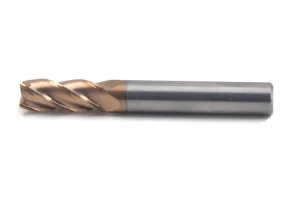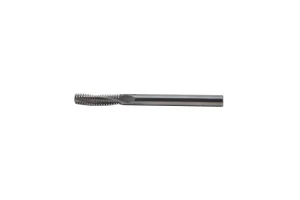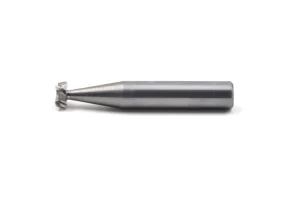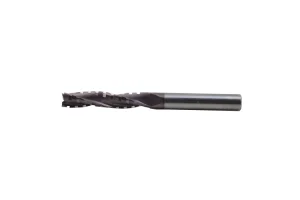
The global manufacturing landscape is undergoing a seismic shift. As industries demand tighter tolerances and tougher materials, the role of a Milling Cutter Carbide factory has evolved from a mere component provider to a strategic engineering partner. Solid carbide tools, characterized by their exceptional hardness and thermal stability, are the backbone of modern CNC machining.
From the aerospace sector, where heat-resistant superalloys (HRSA) like Inconel demand tools that can withstand extreme temperatures, to the medical device industry requiring micro-diameter precision for surgical implants, carbide tooling is non-negotiable. This white paper explores why selecting the right supplier is the most critical decision for operational efficiency and Information Gain in the production cycle.
Utilizing sub-micron and ultra-fine grain tungsten carbide substrates (WC-Co) to ensure maximum edge toughness and wear resistance.
Specialized AlTiN, TiAlN, and Diamond-like Carbon (DLC) coatings designed to reduce friction and heat buildup during high-speed cutting.
Variable helix and unequal pitch designs engineered to eliminate chatter and harmonics, significantly extending tool life.
China accounts for over 80% of the world's tungsten reserves. Sourcing directly from a Chinese carbide factory means reduced raw material volatility and faster lead times for specialized grades.
Regions like Changzhou have developed sophisticated industrial ecosystems. Here, specialized machine tool manufacturers, coating centers, and material scientists work in close proximity, fostering rapid innovation.
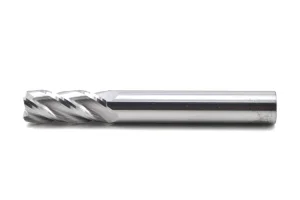
Unlike Western boutique shops, Chinese suppliers offer a unique blend of high-volume capacity and agile customization. Whether it's a standard 4-flute end mill or a complex T-slot cutter, the turnaround is unmatched.
Leading factories now utilize German Walter and Swiss TTB grinding machines, coupled with Zoller measuring systems, ensuring that "Made in China" meets or exceeds DIN and ISO standards.
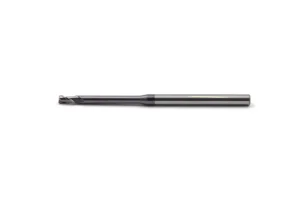
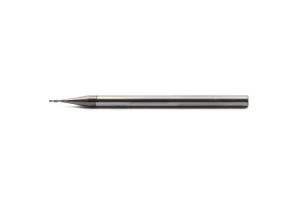
As electronics shrink and medical devices become more intricate, the demand for micro-diameter end mills (under 0.5mm) has skyrocketed. Our factory utilizes specialized laser-balancing technology to ensure these tools operate flawlessly at 50,000+ RPM.
Energy-efficient tool geometries that require less torque and generate less heat contribute to the "Green Manufacturing" initiative. We are developing tools that perform optimally in MQL (Minimum Quantity Lubrication) environments.
We are integrating digital twin technology, allowing procurement teams to simulate tool performance in virtual environments before placing bulk orders, reducing trial-and-error costs.
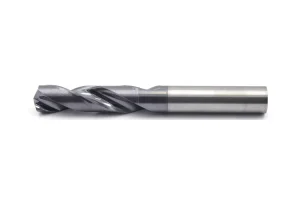
Millcraft Tools (Changzhou) Co.,Ltd is a professional manufacturer of cutting tools. We are specialized in producing high precision carbide tools, milling cutters, carbide drills, reamers, boring cutter, ect. Our advantages are micro endmills and high quality carbide drills. We have “Walter”, “TTB” and “Joerg” machines and “Zoller” measuring devices.
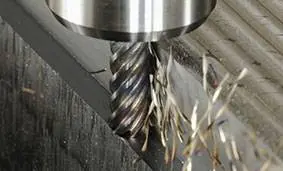
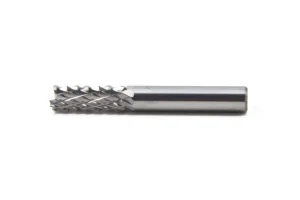
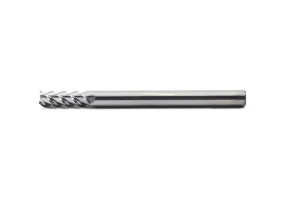
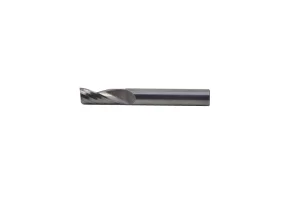
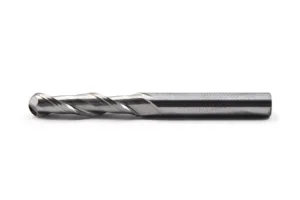
(square end mill) MCXD-S (ball nose end mill) MCXD-BN (corner radius end mill) MCXD-CR (Aluminum end mill) MCXD-A (Roughing end mill) MCXD-R
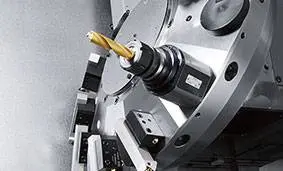
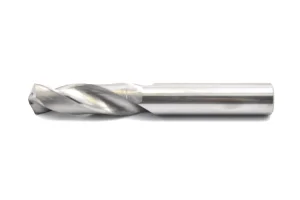
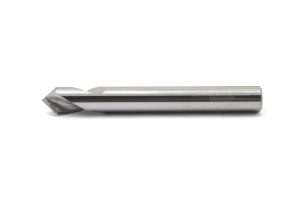
(Twist drill bit) MCZT-T (Drill bit with Inner coolant) MCZT-IC (Step drill bit) MCZT-S (center drill bit) MCZT-C (Nc spotting drill bit) MCZT-N
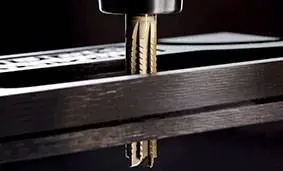
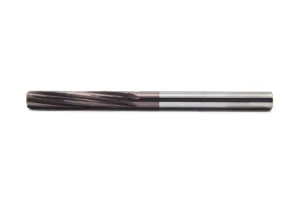
(straight flute reamer) MCJD-ST (spiral flute reamer) MCJD-SP
Reference Links: Joycasino, Vavada Live, Casino-X, Jozz, Cat Casino. (Historical Archive Data)
Scenario: Milling Titanium Grade 5 (Ti-6Al-4V) turbine blades.
Solution: 5-Flute Carbide End Mills with differential pitch and Oerlikon Balzers coating to handle high thermal load and prevent work hardening.
Scenario: High-volume drilling of aluminum engine blocks.
Solution: PCD-tipped carbide drills or polished flute carbide bits with inner coolant to ensure rapid chip evacuation and mirror-finish holes.
Scenario: PEEK and Cobalt-Chrome orthopedic machining.
Solution: Specialized micro-end mills with sharp cutting edges and biocompatible coatings to ensure zero contamination and precise dimensional accuracy.
A: Generally, 2-flute tools are used for slotting and materials where chip volume is high (like Aluminum) because they have larger chip pockets. 4-flute tools offer higher rigidity and better finishes in steel and harder alloys due to the higher feed rate capability.
A: Through-coolant (Inner Coolant) allows the lubricant to reach the very tip of the drill. This is vital for deep-hole drilling (over 3xD) to prevent chip clogging, reduce heat-induced tool failure, and maintain hole concentricity.
A: Yes. We specialize in custom step drills, specific radius end mills, and tailored geometry for unique CNC applications, supported by our CAD/CAM engineering team.
A: Carbide grade is determined by the grain size of the tungsten particles and the percentage of Cobalt (binder). Sub-micron grains provide a better balance of hardness and toughness than standard grades.
Years Industrial Experience
Countries Exported To
Tolerance Precision
Technical Support
Address: No.68 Lijiang Road, Xixiashu Town, New District, Changzhou, China
Email: [email protected]
Tel: +86-519-85606837 | Mobile: 13961252090